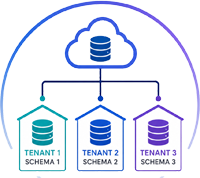
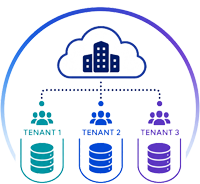
Building tenant isolation, data segregation, and per-tenant configuration into a system that wasn't designed for it is one of the most common and expensive SaaS rebuild triggers. It needs to be the first architectural decision not an afterthought.
Usage-based pricing, seat-based tiers, trials, upgrades, downgrades, and proration logic require more than a basic Stripe checkout setup. They need a billing architecture that handles usage events, entitlements, invoices, lifecycle changes, and finance workflows.
SSO, SAML, audit logs, data residency, custom roles, and SLAs are table stakes for deals above a certain ACV. Building these in after the fact adds months and architectural debt.
SaaS products with poor time-to-value in onboarding have high trial-to-paid drop-off regardless of how good the core product is.
Strategic technical roadmapping and market validation to ensure your SaaS product architecture aligns with scalability goals and compliance requirements.
Engineering resilient, multi-tenant cloud environments that leverage containerization and automation to handle enterprise-grade workloads.
Building high-performance, AI-integrated platforms that combine sophisticated backends with intuitive frontends to serve thousands of concurrent users.
Developing secure, API-first connectivity layers that enable seamless data exchange between your platform and the global enterprise ecosystem.
We fine-tune the technical and behavioral aspects of your SaaS platform to accelerate user onboarding and maximize long-term retention.
Implementing rigorous automated and manual validation suites to ensure multi-tenant stability, security, and consistent API performance.
Transforming legacy systems into cloud-native, multi-tenant infrastructures to eliminate technical debt and optimize operational costs.
Providing continuous observability and management to keep your platform secure, updated, and performing at peak efficiency.
Multi-tenancy model, billing architecture, auth strategy, feature flag system, and enterprise readiness roadmap defined. Product backlog structured by activation impact, not feature completeness. You approve before any build begins.
Auth, multi-tenancy, RBACs, billing integration, onboarding flow scaffold, CI/CD pipeline, and staging environment. The infrastructure every feature runs on — built once, built right, built to scale to enterprise.
Core product features are built in two-week sprints. Each sprint ends with a working, deployable product. Feature flags enable gradual rollout and A/B testing from the first customer onwards.
SSO, audit logging, data export, and SLA infrastructure added. Security review completed. App deployed to production. Runbooks and architecture documentation delivered. 30-day post-launch support included

End-to-end development of a multi-tenant data analytics platform — custom dashboards, white-labelling, Stripe billing with usage tiers, SSO, audit logging, and API access for enterprise customers.
Outcome:
First enterprise customer signed within 8 weeks of launch; ARR reached $1.2M within 12 months.
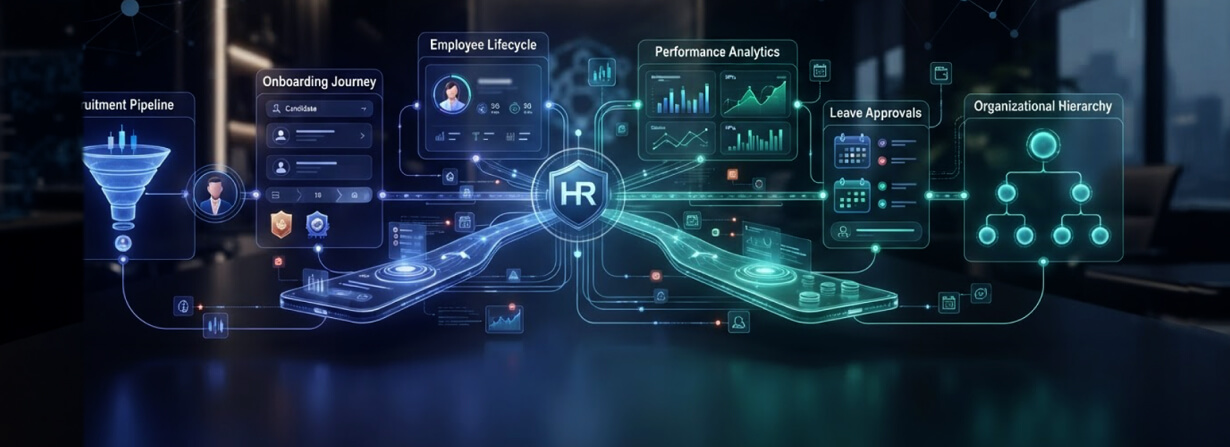
Full-stack SaaS product for SMB HR teams — onboarding workflows, leave management, performance reviews, and ATS integration. RBAC with org hierarchy support and Slack/Teams notifications.
Outcome:
Trial-to-paid conversion rate of 34%; NPS of 61 at 6-month mark.
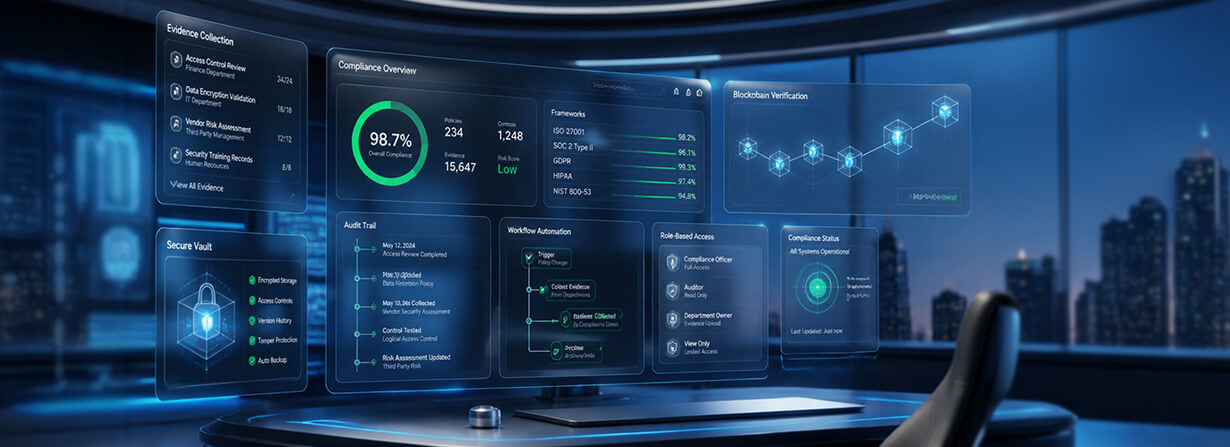
Multi-tenant compliance SaaS for regulated industries — document management, workflow automation, audit trail, and role-based evidence collection with tamper-evident logging.
Outcome:
Closed 3 enterprise deals within 90 days of launch based on audit log and SSO capability built in from day one.
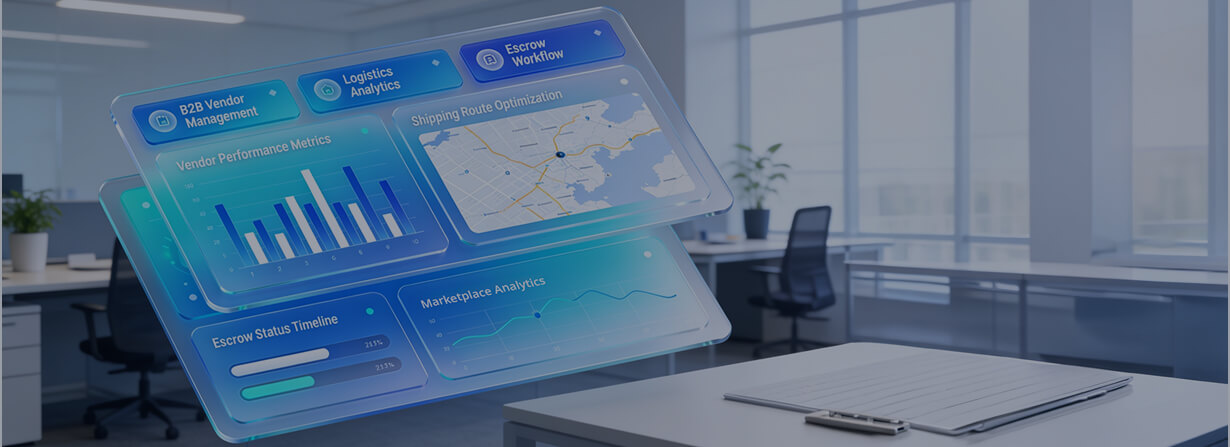
B2B SaaS platform connecting brands with vetted fulfillment vendors — marketplace mechanics, escrow-style payment flows, performance scoring, and real-time order tracking integration.
Outcome:
GMV of $4.2M processed in first 6 months; vendor onboarding time reduced from 3 weeks to 2 days.
























Yes. Our SaaS product development company offers an end-to-end solution, including PoC services to evaluate your SaaS product concept. We can also help you develop an MVP to evaluate target users, core workflows, data model, integration needs, pricing logic, security requirements, and expected scale. This helps identify technical risks early, define the right development scope, and determine whether the SaaS product can be built within the planned budget, timeline, and business model.
Yes. Our product modernization services include reviewing the existing SaaS application for architecture gaps, performance issues, code quality, database design, security weaknesses, and user experience problems. Based on the findings, we can refactor modules, rebuild legacy components, improve scalability, migrate infrastructure, or add enterprise-ready features without disrupting active users.
Yes. We integrate third-party tools such as CRMs, payment systems, analytics tools, marketing automation platforms, accounting software, communication tools, identity providers, and workflow applications. Each integration is planned around authentication, API limits, data mapping, error handling, sync frequency, security controls, and long-term maintainability so the SaaS application remains stable as usage grows.
We design role-based access control systems that reflect real customer structures. This may include account owners, admins, managers, team members, external users, custom roles, resource-level permissions, and subscription-based access rules. The goal is to make user access secure, flexible, and manageable across multiple teams, departments, or customer organizations.
We plan performance around expected traffic, tenant growth, data volume, API usage, background jobs, reporting workloads, and integration frequency. This includes optimized database design, caching, queue-based processing, monitoring, infrastructure planning, and load testing where required. The aim is to keep the SaaS product reliable as user base, data volume, and transaction volume increase.
Yes. We can add enterprise capabilities such as SSO, SAML, or OIDC authentication; audit logging; custom roles; tenant-level configuration; data export; API access; advanced reporting; status pages; and reliability monitoring. We first assess the current architecture to ensure these features can be added without creating security, performance, or maintenance issues.


Since 1999, SunTec has been a trusted business process and software engineering partner for technology companies worldwide. Our team of over 1,500 full-time employees delivers innovative services every day to help our clients save time and money.


