Tightly coupled monoliths make every change expensive and every deployment risky. When competitors ship weekly, and you ship quarterly, the gap compounds faster than any feature roadmap can close it.
On-premise infrastructure sized for peak load runs at low utilization the rest of the year. Cloud-native architectures pay for what you use and scale automatically when you need it.
Engineers who join to work on modern systems and find themselves maintaining decade-old codebases tend to leave. The institutional knowledge that leaves with them costs more than any cloud bill.
The solution is not a multi-year rewrite that produces nothing for many months and ships to a market that has moved on. Incremental modernization delivers value continuously while reducing migration risk.
Our Application Modernization practice covers legacy system decomposition, API-first migration strategies, and cloud infrastructure migration. Each step is sequenced to minimize operational risk and maximize early value delivery.
We leave behind documented, maintainable systems your team can operate independently.
Technical debt analysis, dependency mapping, and workload classification. Output is a prioritized modernization roadmap with effort, risk, and value estimates for each workload, before any migration begins.
The cloud landing zone or modernization foundation is established. CI/CD pipelines, security baseline, and monitoring infrastructure are in place before any workload moves.
Workloads are migrated in a prioritized sequence. Each migration wave delivers measurable value before the next begins. Rollback procedures are defined and tested for every workload before migration day.
Post-migration cost optimization, performance tuning, and team enablement. FinOps governance is established. Documentation and runbooks are delivered. Internal teams are certified to operate what was built.
These engagements reflect representative client work. Outcomes are illustrative and depend on starting architecture, data volume, and operational complexity.
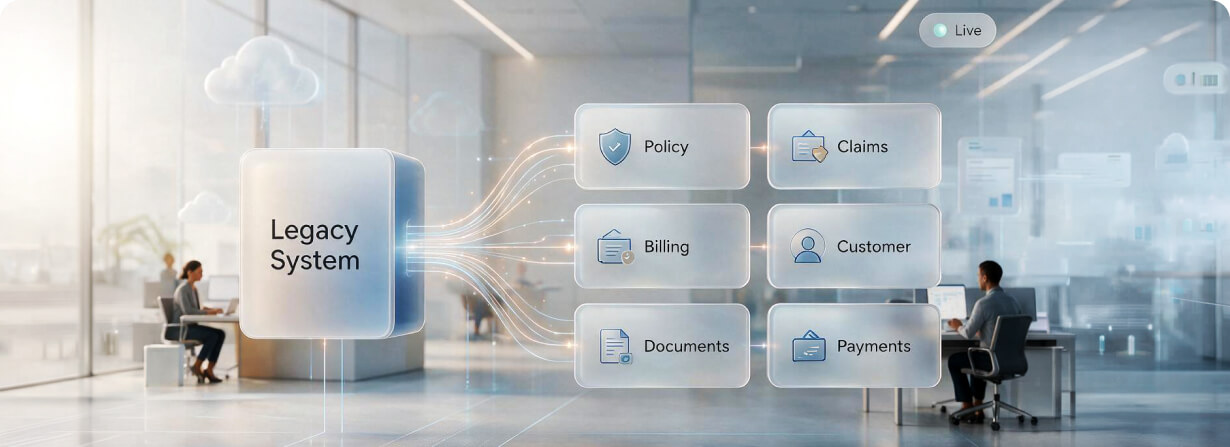
Decomposed a long-standing Java monolith serving a large policy book into domain-driven microservices. Delivered with zero downtime through incremental release.
Outcome:
Dramatically faster release cycles, lower infrastructure cost, and shorter developer onboarding time.
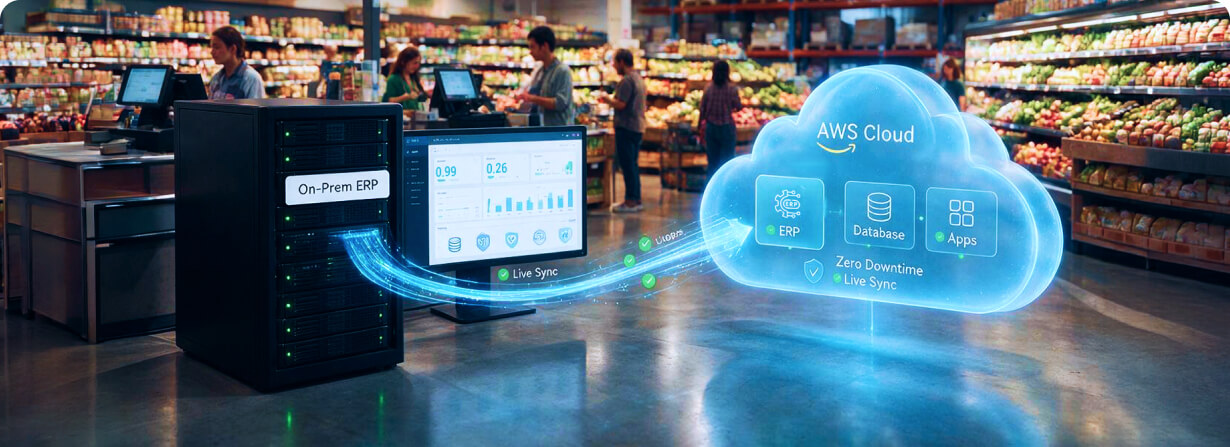
Migrated a mission-critical ERP and many dependent applications from on-premise data centers to AWS. No unplanned downtime during a peak trading period.
Outcome:
Meaningful infrastructure cost reduction, stronger availability post-migration, and faster disaster recovery.
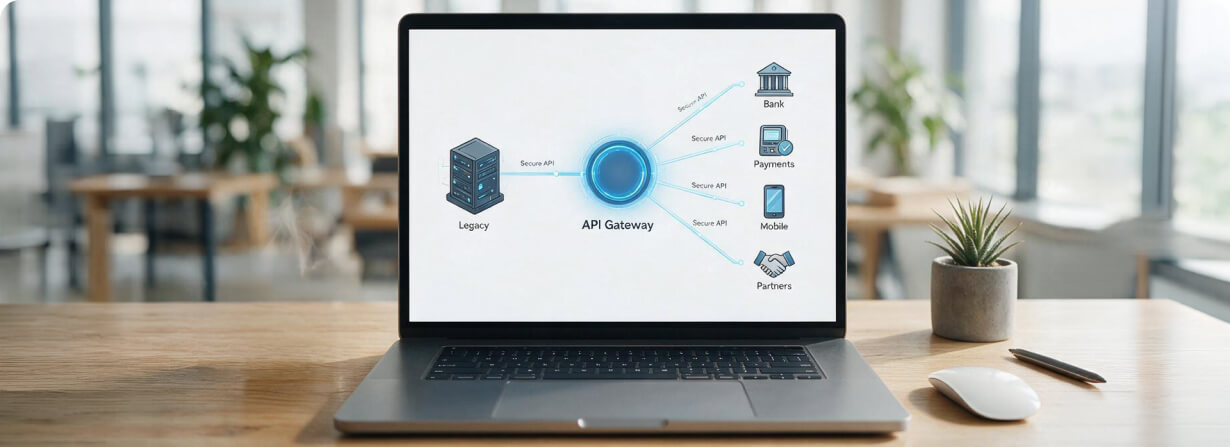
Re-architected a tightly coupled payment processing system to an API-first model, enabling third-party integrations that were previously impossible.
Outcome:
Significantly faster partner integration timelines and new revenue from partner ecosystem activity shortly after launch.
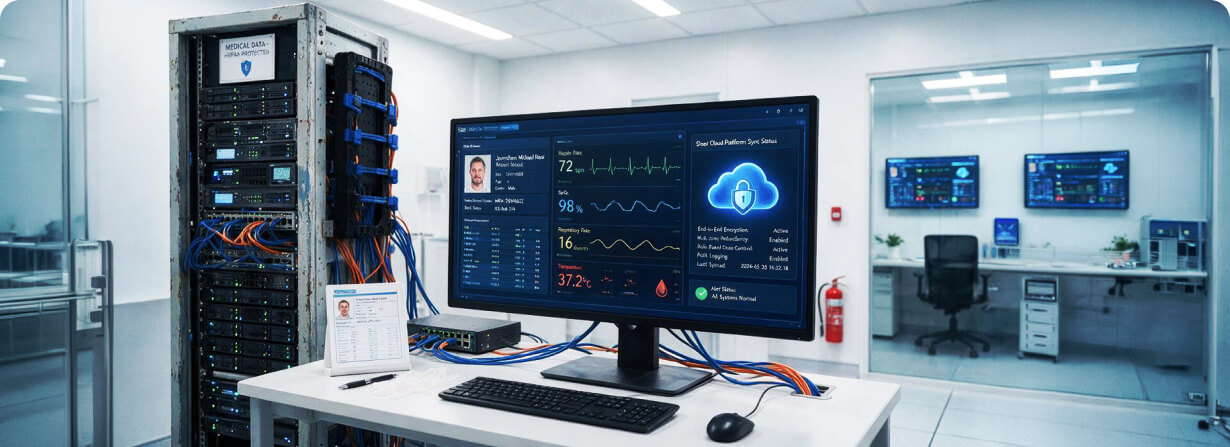
Migrated a patient records system from a deprecated on-premise stack to a HIPAA-compliant cloud architecture, with full data integrity validation.
Outcome:
Significantly improved compliance posture, faster system response times, and reduced operational support costs.
We work with your existing systems and migrate to the cloud that fits your requirements. Tooling choices are made for your portfolio, not pre-committed to any vendor.
A standard lift-and-shift often migrates existing inefficiencies and high costs directly to the cloud. Our cloud migration services use a lift-optimize-shift methodology. We re-evaluate every workload for cloud-native fit and incorporate containerization and automated scaling. The result is a genuine reduction in infrastructure spend and technical debt, not just a change of data center.
Big-bang rewrites are notoriously high-risk and often fail to deliver value for years. Our application modernization services favor an incremental approach, such as the strangler fig pattern. We decompose your monolith into microservices piece by piece. You ship modern features and realize ROI while the migration is still in progress, rather than waiting for a single launch day.
We begin with a rigorous modernization assessment. Over the first few weeks we quantify your technical debt, map dependencies, and prioritize workloads by business value and migration risk. The output is a board-ready business case and technical roadmap, so your legacy application modernization services are driven by data rather than guesswork.
Maintaining operational continuity is our primary focus. We use API-first re-architecture to decouple your frontend from your backend, and employ blue-green deployments or canary releases. Traffic routes to modernized services incrementally, so legacy system modernization happens invisibly to end users without disrupting mission-critical processes.
Yes. Unlike traditional integrators, we build FinOps into our process from day one. Post-migration we implement cost governance, tagging strategies, and reserved capacity optimization. The cloud environment performs better than the previous on-premise infrastructure and stays cost-effective as the workload scales.
Compliance is treated as a foundational design constraint, not a downstream check. Whether the workload requires HIPAA, PCI DSS, SOC 2, or regional data residency, we bake the controls into the cloud landing zone, the CI/CD pipeline, and the observability stack. The result is a modernized environment that is auditable from the first deployed workload onward.


Since 1999, SunTec has been a trusted business process and software engineering partner for technology companies worldwide. Our team of over 1,500 full-time employees delivers innovative services every day to help our clients save time and money.


