AI is no longer a nice-to-have for delivering remarkable customer support; it is mission-critical. In fact,
Continue reading

AI is no longer a nice-to-have for delivering remarkable customer support; it is mission-critical. In fact,
Continue reading

When ChatGPT launched in November 2022, foundational models and generative AI triggered an enterprise gold rush. Companies across every sector scrambled to integrate AI into their operations, driven by board-level pressure and fear of competitive disadvantage. Budgets materialized overnight, and pilot programs launched at unprecedented speed. Fast forward to today, and the results tell a different story: over 90% of generative AI pilots are failing to reach production.
 (1)](https://www.technoscore.com/blog/wp-content/uploads/2025/10/Main-Banner01_Top-AI-Development-Companies-Delivering-Next-Gen-AI-Solutions341-1.jpg)
AI is no longer a futuristic concept but a present-day catalyst driving transformation across all businesses and industries. With a market anticipated to surpass US$244bn by the end of 2025, its utility will only increase in the years to come.
Continue reading

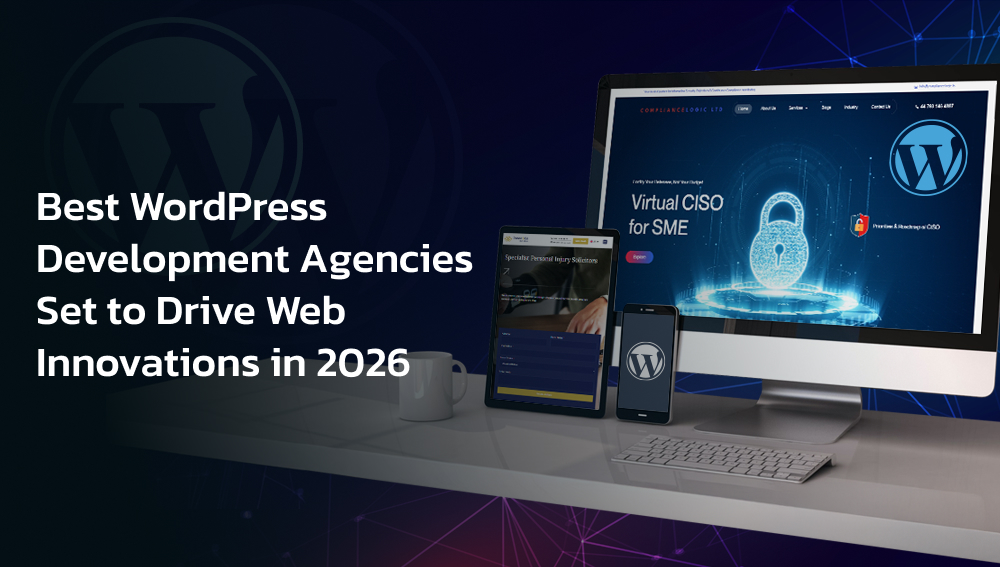
The AI boom has made launching a WordPress site easier and quicker than ever, but speed doesn’t guarantee success. Growing it and getting conversions still requires human intelligence.

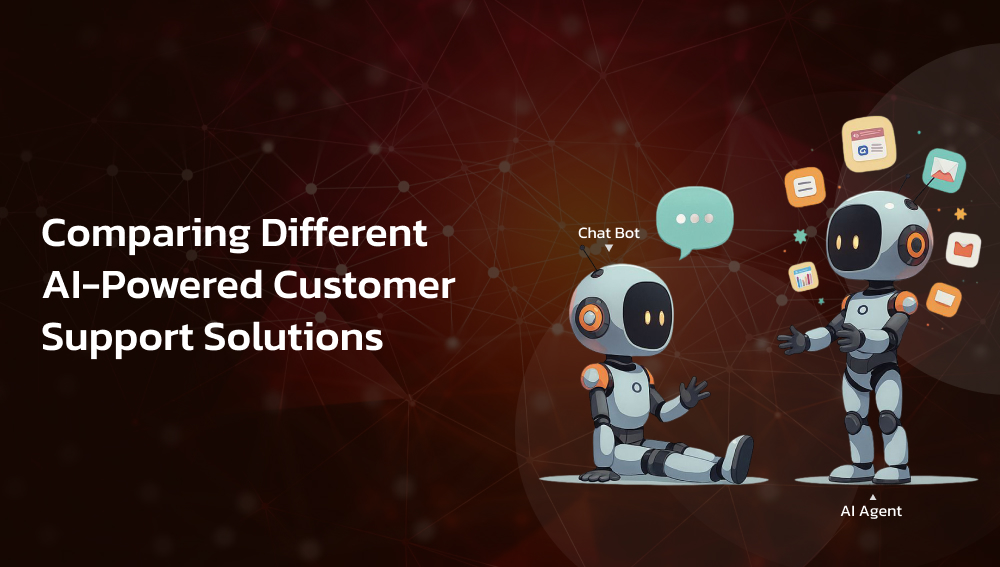
The adoption of AI Agents is no longer a theoretical pursuit—it has become an operational necessity across industries. Today, AI Agents are redefining how enterprises manage customer support, marketing automation, and business intelligence. From finance and logistics to human resources and sales, these intelligent systems are accelerating response times, optimizing workflows, and significantly reducing operational overhead. As organizations continue to evolve toward digital-first strategies, the momentum around intelligent automation has intensified. This surge is driving a sharp rise in demand for specialized AI Agent development companies capable of delivering scalable, secure, and context-aware automation solutions.

eCommerce today is not just about selling online, it is about delivering consistent, engaging experiences across web, mobile, and desktop. Customers expect instant, easy access to your products and offerings, regardless of the device they use. In fact, over 80% of mobile internet time today is spent within apps, with users averaging more than four hours a day engaging through them. For businesses, this means building multi-platform apps without skyrocketing development costs.

There was a time when an app being “mobile-friendly” was a significant consideration. But, in the coming years, it will not be nearly enough. With people spending more than 4 hours on mobile devices, you must have a mobile-first app development strategy. Despite this, many online businesses still treat mobile apps as an afterthought. They start building their presence with the web first, then try to adapt functionality to smaller screens. And this is where they take the hit.

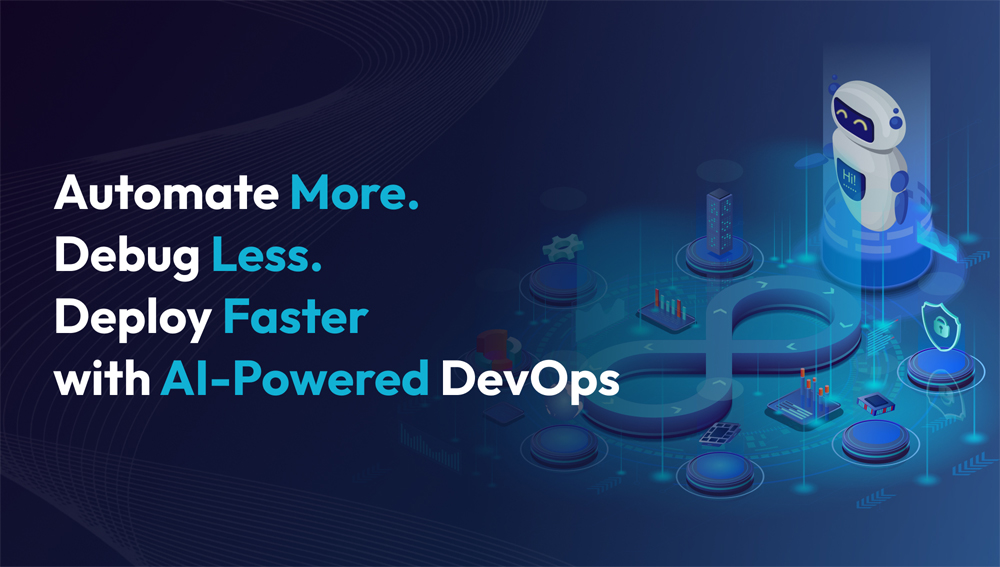
The current software delivery cycles are becoming increasingly complex. Organizations are being pressured to go to market quickly, but with higher quality and with zero downtime. The existing DevOps has already brought automation and collaboration, though even these approaches are not perfect. They need to address unpredictable infrastructure failures, rapid code debugging, and efficient scalability of CI/CD pipelines. Such bottlenecks may delay delivery and have an impact on the business performance.
Continue reading

When GitHub revealed that developers using its AI-powered Copilot completed coding tasks 55% faster, the implications became clear. This isn’t just a productivity boost—it signals a fundamental shift in how development workflows and teams operate. And Copilot is only one example. Tools like Claude’s Artifacts and Cursor’s intelligent code completion are also reshaping how software gets built.
Continue reading

With users having endless choices at their fingertips, the average person engages with around 10 apps daily, installing almost half of them within just a few days. This rate of consumption presents nothing but a significant challenge for designers and developers: how can you capture and retain user attention in such a competitive app landscape?
Continue reading